Why Marketers Need To Be Good Storytellers

The art of storytelling is something that goes back thousands of years. What began as the simple use of verbal instruction to facilitate survival, evolved with the use of imagination and shadows thrown up by the fire inside cave dwellings. The first documented story known by historians is the Epic of Gilgamesh, dating back to 2700 BC. With storytelling so ingrained into who we are, it’s no wonder that we respond so well to them. Most of us have childhood memories of being read stories, particularly at bedtime, and even as we get older, hearing someone tell a funny story about their day can keep us gripped. Forbes released an article at the start of this year which stated that science shows that humans have massive capacity for sustained attention and storytelling unlocks it. Which is why it’s so important for marketers to be good storytellers. Just as it says in the Forbes article; ‘although it was debunked, the statement that -humans have an eight-second attention span-, scared marketers’. Now, one of the most talked about things in the marketing world is how quickly can we get our message across to avoid losing the consumers’ attention. The fact is, while short and ‘snackable’ content becomes increasingly popular, you can keep your audience hooked for much longer with a good story. Why is storytelling important in marketing? While we now understand that good storytelling can keep an audience gripped, why is it important in marketing? Well, the main aim of telling a story is to get a message across and it’s the same with marketing. If marketers can hone their storytelling skills, they’ll be able to retain the attention of their audience and ultimately get their message across in an effective way. With the audience being able to recall the information too. Giving your information in the form of a story helps people retain the information and recall it later. A study was conducted where students had to remember 12 words. Half of the group had 2 minutes to simply study the list while the other half had 2 minutes to create a story that contained all of the words. 93% of students who created a story remembered the words, while only 13% of students who tried to just memorise the words could recall them. How to use storytelling in marketing Trying to find a way to incorporate storytelling into your marketing efforts can seem hard at first. After all, you don’t want to be starting your next Instagram post with ‘once upon a time’! Here are some simple ways you can start using storytelling in your marketing to create a better connection with your audience and ultimately ensure that your message gets across to them: Write case studies Case studies are a great way to showcase the amazing work that you do as well as how you helped find a solution to a client’s problem. Case studies also lend themselves quite well to storytelling as they can be written in a way that allows you to explain, from start to finish, how you helped a client/ customer. Why not begin with, ‘x client first got in touch with us and explained that they had y problem’? From there, you can talk about how you suggested a solution and ultimately executed that solution to give them the end result. Which you can then of course showcase at the end of the case study with stunning photos or even a video. Tell your business story At the end of the day, people buy people and consumers love to find out about the people behind an organisation. So telling the story of how your business came to be can be a fantastic way to start building a relationship with a potential client/ customer. Telling this story also provides you with an opportunity to talk about how much you love doing what you do. Helping you to stand out against your competitors. It can also help to establish key figures within your organisation as experts in their fields and even lead them to become industry influencers. Create a narrative When talking about storytelling, this might seem like an obvious thing, but narratives don’t have to be long stories as we typically think. Instead, a short and simple narrative can be all you need to explain your product/ service. This works particularly well when what you offer is something that people may need at a particular moment. Or if your product/ service solved a problem your ideal customer faces. Top Tip: If you do use a narrative, make sure that the main character in it is relatable to your target audience. I.e the character runs into the same problem and has the same thought process as your target audience. This is why it’s so important to know your audience – something we talk about in more detail in another blog post. The reality is, storytelling is a fantastic skill for marketers to have as it allows them to convey their message to the target audience in a way that resonates with them. If you feel that your marketing messages aren’t getting through to your audience, it might be time to change things up. If you’re looking for marketing support, don’t hesitate to get in touch with us. We have years of marketing experience and are specialists in the construction industry. Give us a call on 01903 686858 or email us at info@constructivemarketing.co.uk.
Improving Your Digital Marketing

As we’re sure you’ll know, technology is constantly changing and there’s no exception for digital marketing channels. So it’s no surprise that, in order to be successful at digital marketing in 2023, you need to continually evolve your digital marketing strategy. The beginning of 2023 is a good time to make some changes. Here’s what we suggest: Streamline the social platforms you’re on A lot of businesses make the mistake of being on every social media platform in fear of not reaching everyone. Unless you’re a government or global consumer brand, this is the wrong approach to take – you don’t want to reach everyone you want to reach your target audience. So ask yourself – what platforms are they on? Think of social media platforms as news channels. There are lots of different ones out there; Sky News, BBC News, Channel 4 News, ITV News etc. Each of them is essentially telling the same stories, they’re just doing it in a slightly different way. As a result, people have their preferences – some always watch Sky News and don’t like BBC News. While others prefer BBC News over everything else. So what social media platform does your target audience prefer? Once you know that, you can start removing your business from other social channels and focusing on the audience’s favourite/s. Top Tip: Make sure that you don’t leave your social media accounts to become dormant. It’ll reflect badly on your business and may make potential customers turn away thinking your business is not operating anymore. Instead, either delete the social account completely or – if there’s an option to – make the account invisible to the public. Build relationships with your customers One of the main goals of any marketing efforts that you do should be to build relationships with your customers. Very few consumers are going to decide to buy from you simply because you asked them to. What many will do is shop around, look at alternatives and ultimately choose the business that resonates with them the most. Making sure that your business has a good relationship with the consumer will give it a good chance of being the one that consumers choose. Make sure you’re consistent Whatever digital marketing efforts you’re doing, making sure you’re consistent is a constant rule. While changing things up is important, it’s equally as important to make sure that you’re giving things ‘a good go’ before deciding that they’re not effective for your business. Here at Constructive Marketing, we’ve got years of experience managing a diverse range of businesses digital marketing strategies. Whether you’re not sure where to start, or you already have goals in place, we can help. Give us a call on 01903 686858 or email us at info@constructivemarketing.co.uk to arrange a meeting with us and get your digital marketing back on track for 2023.
Here’s Why Your Digital Marketing Isn’t Working And How To Fix It

One of the most common things we hear when we discuss digital marketing with a business owner is, ‘I tried it once, but it didn’t work for me’. While it’s true that communicating online is harder for some businesses than others, it’s usually just a case of finding out which type of communication works best – both for the target market as well as for the company/brand itself. The leading cause for digital marketing efforts not working is that the business doesn’t know its target audience well enough to know how to communicate with them. Know your audience A concept that is the cornerstone of all marketing activities, and something that should be considered before any marketing activities begin, is ‘know your audience’. More often than not, the business owners who say digital marketing hasn’t worked for them have simply approached it ‘blind’. What we mean by that is they haven’t looked at who their audience is and therefore they don’t know who they’re talking to. If that’s the case, how can you expect to be saying the right things? So many make the mistake of just doing things because ‘everyone else is’ and then becoming disheartened when it doesn’t work. Just because the majority of businesses have a Facebook page these days doesn’t mean that your customers are there. In fact, most of our clients – who are B2B – find success on LinkedIn. So understanding your audience is crucial to being able to invest in the right marketing efforts. How to understand your audience There are so many different ways of getting an understanding of who your customer base is and the way in which you do will depend on a few things: Relevance is key. One of the biggest questions you need to ask before you conduct research of any kind is, ‘what is it that I want to know?’ As lovely as it would be to sit down with a cuppa and exchange pleasantries with your customers, that’s probably not going to help you market to them better or even acquire other customers like them. Instead, you need to understand why they chose to buy from you, what sets you apart from others in their mind and how they would like you to keep in touch with them. Is it through email or would they rather see your Tweets in their feed? The budget that you have. Some research methods are more thorough and therefore more costly than others. For bigger businesses with a research budget, conducting questionnaires and even focus groups is a good way to get to know the customers. For smaller businesses without much budget, there are free tools such as Google forms which could be sent to your existing clientele. . Asking questions via your social media channels is also a great way to get feedback, just prepare for it to be really honest! Sometimes simply looking at the competition can be a good indication as to what yours should be doing as you can take a more objective view on what’s working for a company that isn’t yours. Feeling a bit overwhelmed? Don’t worry, we can help! We offer an expert diagnosis service to help time-poor business owners and managers to gain focus and control over their marketing. You’ll get: Give us a call on 01903 686858 to speak to our expert team today.
Top 3 Most Common Website Mistakes And How To Fix Them

Websites are essential to the success of a business, whatever the sector. . It’s therefore very important that they are well-designed and contain good quality content to make sure that they serve your customers well. Our many years of designing and building websites for clients in different industries mean that we are often asked to cast our expert eye on other websites to suggest improvements. With our vast experience, we’ve noticed the same mistakes being made and thought it would be helpful to point out our top three and tell you how to fix them. 1. Outdated Images Images are a great way to showcase your work on your website; especially if what you do is visual. They’re also great to break up text and make your website more engaging. Having said that, it’s important to make sure you update them. This applies more to websites that have been live for an extended period of time, as images can become outdated. Showing something fresh that your audience may not have seen before can spring new life into your website, making it feel new while not actually changing the design or layout of the website. Google and other search engines will recognise new images (with ALT text – see below!) as new content to your website and this will help to boost your website’s organic SEO. Ultimately increasing your ranking on Google or other search engines. How to fix outdated images on a website What we recommend is to allocate time every six months to go through the images on your website and change them up. Whether that be simply updating photos of the team, or swapping a stock photo for a different one. 2. Not Including ALT Text Speaking of images, you would be surprised at the amount of websites that upload them without ALT text. Providing ALT text for your images is a necessity when it comes to accessibility. Screen readers can’t detect text that overlaps images, therefore alt text is required so that the image can be described to the user. Adding ALT text can also have a significant organic SEO as, put simply, search engines can’t read pictures – they can only read words. By describing uploaded images with keywords and search terms, search engines will be able to understand them and rank them in relevant search results. How to add ALT text to images Adding ALT text to your website images can be done through the backend of your website. Usually through the media gallery, you’ll find somewhere to write ALT text for each image. If you’re unsure, it’s always best to speak to your web professional, if you don’t have one, we’d be happy to help. 3. Lack of Common Phrases and Keywords When it comes to writing the content for your website you need to make sure that you are including keywords and phrases that your potential customers would use. By using common terms that are related to your business, search engines will be able to rank your website in relevant search results. Increasing your search engine ranking and ensuring that your website is associated with search terms that your audience are using. How to write SEO-friendly content We could write a whole blog post on this! But the main thing is to keep it relevant and always be mindful of what you are writing and who it is for. It’s not going to be beneficial to include phrases that you might search for as a business owner as they could be completely different to the keywords and phrases that your clients search for. So make sure that you know your audience! After all, Google is now ranking websites that are helpful to the target user more highly. You can find out what Google finds unhelpful on websites here We understand that making sure a website works for your business and its target audience can be difficult. If you’re looking for expert help with your website, we would love to help you. Give us a call on 01903 686858 or email us at info@constructivemarketing.co.uk.
What is a Google Business Profile?
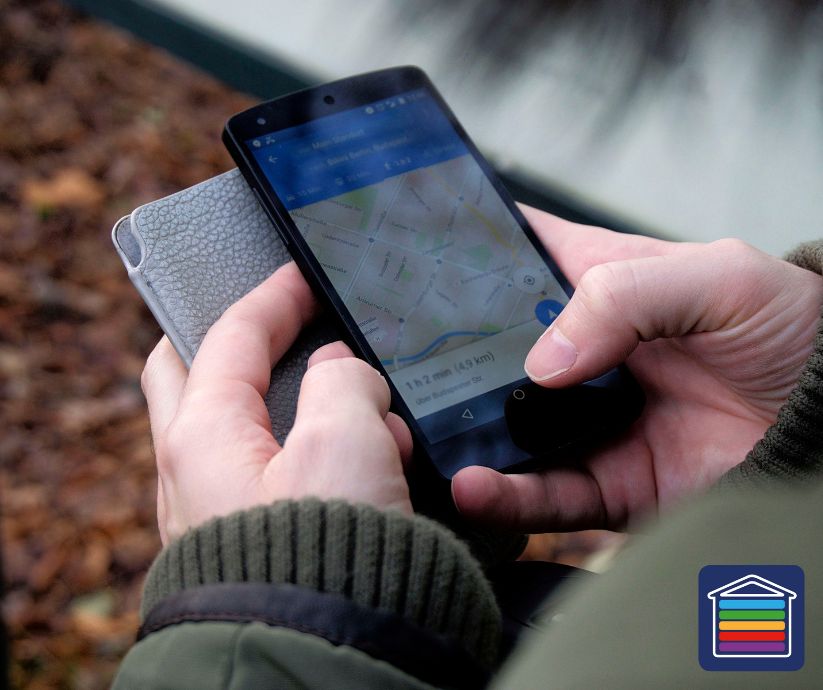
And how can you optimise it? Google Business Profile (GBP) previously known as Google My Business (GMB), is an amazing free tool that allows you to be visible on the tech giant’s search engine. Making the most of this tool is one of the best ways to appeal to your local market as the information you provide on your GBP not only appears in Google search but also on Google Maps. So what can you do to optimise your GBP to improve your online presence locally? Here’s our top three ways to optimise your GBP. Location, Location, Location! One of the best ways to optimise your GBP is to include all of the local geographical areas that your business operates in. When it comes to selecting the areas to put onto your profile it’s important to be as specific as possible. Be sure to include specific town or city names, not just the county and country in which you operate. By including more locations on your GBP you will increase your chances of appearing when people search with location keywords, however, if you want to appear locally, you don’t want to include every city and town in the country. Optimise your services Another great way to improve your local reach is to update the services that your business provides. By listing all of the services that you provide your presence within the local market will be much higher as you will appear under a lot more search terms. For example, if you are an electrician, you could include services such as: electrical inspections, electrical wire repair and electrical socket and switch installation. Simply head into the services section of your GBP to start exploring the different services available. If you can’t find every service you provide, you can create a custom service. A powerful description The description of your business is one of the ways that you grab the attention of the reader, it is how you let the reader know what your business is all about, what you do and how your services can be of use to them. With that in mind, you must ensure that the description on your GBP is the best it can possibly be. The description section of your profile does have a character limit of 750 so you don’t need to write an essay on your business, just something simple that gets your point across. On the Constructive Marketing Google Business Profile, our description reads; “We are marketing experts. Our expertise includes Marketing, PR, Social Media, Graphic Design and Websites. We have the skills to cover this and more. We have extensive experience with writing content for websites, social media, award entries or print. We also create websites that combine the art of design and content optimisation along with the science of building organic SEO into every page. Contact us now to find out how we can take your business to the next level. Specialist sectors include Construction, Education and Care.” This uses 650 of the 750 allowed characters, so you can see that you don’t have to write much, just make it count!Having a well-optimised GBP is an integral part of your online presence. We work with a variety of clients from different industries to maintain a good online reputation for them. If you’re looking for help with maintaining a good reputation for your business, give our team a call on 01903 686858 or send us an email at info@constructivemarketing.co.uk. We’d love to help!
The 5 Things Google Finds Unhelpful On Websites
As a result of Google releasing its new algorithm update in August, the types of content that are considered “helpful” have changed. Trying to figure out what content on your website is “unhelpful” can be difficult. Let’s discuss a few things that could be lowering your site’s ranking, and how you can change the content on your website to be on the helpful side of Google’s new algorithm. Duplicate content Displaying the same content across multiple pages on your website is arguably the most unhelpful thing you can do. Not only do users get bored of reading the same information over and over again, but Google will detect duplicate content and rank your site lower as a result. Reading the same information on your website is not helping your website’s users and they will more than likely look for answers elsewhere. This will greatly increase your bounce rate (the number of users quickly clicking off your website) and your average session time will plummet. From these stats, Google will recognise that your website is unhelpful and it will rank your site lower in the search results., Meaning that you will get much less traffic to your website. To avoid a low ranking on Google, you need to make sure that all of the content on your website is different. This isn’t just limited to text, it includes images and videos too. By reducing the amount of duplicate content your website contains, your average ranking on Google will increase. It won’t be an immediate spike in statistics, but over time you will start to see your session time increase and your bounce rate decrease. Here at Seaside Creative, our team of content experts are on hand to make sure that your website is full of original content. Give us a call on 01903 686858 to find out how we can help you. Writing to fit trends Although Google doesn’t recognise all trend-fitting content as unhelpful, it will flag up content that is written to fit a trend just to appeal to the search engine. The way to identify if your content is written in this way is to ask yourself the question, are you writing about this for your existing audience or just because you have seen a lot of other people writing about it? If the answer is that you’ve seen a lot of other people writing about it, Google will likely flag this up and, as a result, rank your website lower. The solution to this problem is to make sure you know your audience, and don’t just follow what everybody else is doing. By understanding your audience, you’ll be to create content that will be helpful to them. Unsatisfying content One indication that might suggest your website could be unhelpful is users feeling the need to find more information. This would commonly be identified by a high bounce rate.‘Unsatisfying content’ is another way of saying ‘unhelpful content’ which is exactly what Google would identify unsatisfying content as. Unsatisfying content forces users to look at another website for the answers that you could easily provide. Writing satisfying, high-quality content would resolve this issue and improve your website’s statistics as your bounce rate would be much lower, improving your overall ranking. Keyword stuffing Keywords themselves aren’t considered unhelpful by Google, however, excessive use of them just to appeal to search engines is. Keyword-stuffed content is usually written poorly, making it unhelpful to the user. As explained in one of our latest blog posts, Google’s main aim with the new update is to ensure all listed websites in the user’s results are helpful. Therefore; websites with keyword-stuffed content are simply not going to rank as highly as websites providing useful, less keyword-stuffed information. Getting rid of keyword-stuffed content on your website can really help Google recognise your website as a helpful one and ultimately make it rank higher in search results. False Information False information will cause Google to flag your website as unhelpful. Misleading the reader into believing something that isn’t true is very unhelpful, not only to the reader as they have to find the correct information from somewhere else but to your website as well. Any website containing false information will automatically rank lower on Google. It could also lead to low review scores for your company on social media. Would you want to be known for providing false information? The best practice to prevent this from happening is to make sure the information you display is factual. Proving this with credible sources (also known as backlinks) will help to show that your information can be trusted and your credibility on the internet will start to improve. At Constructive Marketing we have a team of specialists who can help you get to grips with this new update to the Google algorithm. We can make sure that your website is helpful to Google and make sure that your website stays relevant as this new era of Google rolls out. Give our specialist team a call on 01903 686858 to find out how we can help you with your website.
Understanding Google’s New Algorithm

Google has just finished rolling out its latest major update, which they have helpfully called The Healthy Content update. With this update, Google is attempting to filter content that is published on websites into two categories: content that is made for the users and content that is specifically designed to rank highly on Google. Who/What is Google targeting with this update? Websites with large amounts of content that is deemed unhelpful, or out-dated ‘SEOed’ text written with the intention of ranking highly on search engines seem to be the main target for this algorithm update. Any website with content that is written with the users’ best interest in mind seems to be largely unaffected by this update. This has made it more important than ever to ensure that the content on your website is high quality and helpful to your audience. If you need help with this, get in touch with us. Why has Google changed its algorithm? The ultimate goal of this update is to promote content that is designed to help users above that which Google deems to be less helpful. Google wants well-written and high-quality content to be ranking much higher than it currently is. While content that is specifically written to cater to the old algorithm should now rank below newer high-quality content. This shift in the content hierarchy will allow Google to showcase content that is unique so that users aren’t reading the same information in every article. Ultimately, Google wants to serve its users in the best way possible, showing them the most relevant and useful content. Flipping the current system upside down. What this means for you Following the update, you’ll need to be mindful of what content is going to be affected the most. Although the algorithm is not designed to target a specific niche, Google has stated that certain types of content will be affected more negatively than others. These are: All of these types of content are typically created in a way search engine algorithms like; rather than with the target audience in mind. Rather than being applied in the usual way on a page-by-page basis, this new update will be applied sitewide. This means that Google will assess your site as a whole and determine whether or not your content is written for users or the search engine. If Google decides that your content is split between helpful and unhelpful content, it could flag up your entire website as unhelpful. The amount of unhelpful content that will be allowed on a ‘helpful website’ is still yet to be released by Google. So it’s best practice to keep the amount of unhelpful content on your website very low. Find out what Google classes as unhelpful in our other blog post. How to keep your site ranking highly with the new Google algorithm The first step you can take is to remove any content that is unhelpful. This means removing content that: A top tip from us is to make sure that you don’t repeat the same things across your whole website as this will help lower the chances of your website being flagged up by Google’s new algorithm. It will also help to improve your rankings on Google and who doesn’t want that?If you’re struggling with making sure that your content is helpful and relevant to your audience, get in touch with our team who will be more than happy to create helpful website content for you. Avoid being unhelpful at all costs! Although you may think that Google flagging your website as unhelpful doesn’t matter, getting this label from Google could mean that your site gets a very low ranking. Just to add salt to the wound, it could take months to prove to Google that your site can publish content that is designed to help users. What’s more, if your site is labelled unhelpful, every piece of content that you publish will have to go through a rigorous validation process. Which can take weeks, if not months as it is an automated process. To find out more about the update to the algorithm take a look at Google’s official blog Here at Seaside Creative, we’re content marketing specialists who can write helpful content for your site. Making sure that your site avoids becoming unhelpful, and ultimately, keeping your business visible in Google’s new algorithm. Give our specialist team a call on 01903 686858 to find out how we can help you stay on top of this big change.
3 Facebook Mistakes That Could Be Costing You Customers
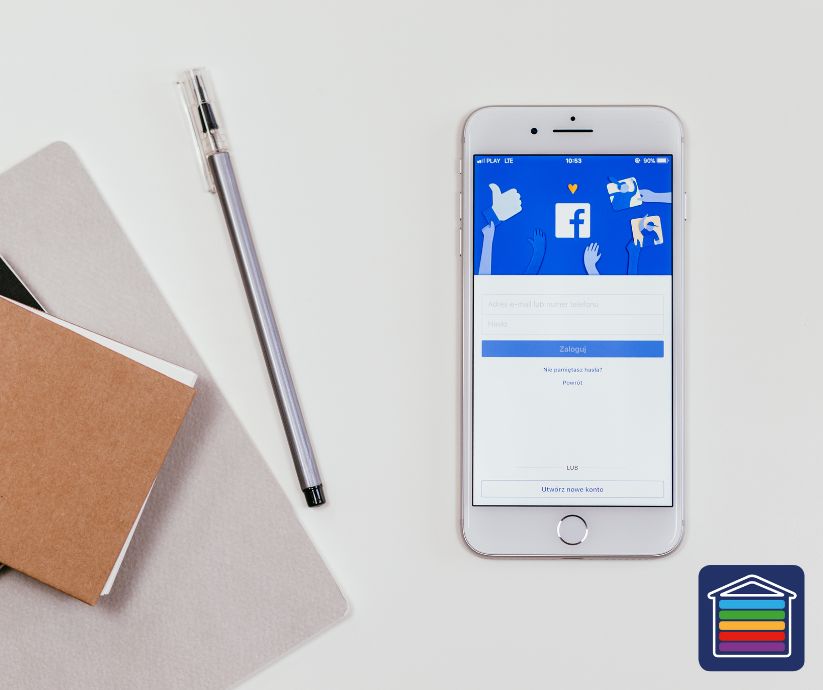
When it comes to Facebook, the majority of small businesses tend to run their page themselves. This usually entails the business owner putting together a quick post of an evening after their work day. Mainly because they feel that is what they should be doing. Although this can generate some fantastic results, inevitably, some mistakes are made which could be costing them customers. During our years of experience with working with businesses to improve their marketing efforts, we’ve noticed a few Facebook mistakes small businesses make. The fact is, 56% of Facebook users go to the platform for information and 78% of US consumers discover retail products to buy on Facebook. Your small mistakes could be preventing those users from choosing your business over your competitor. If you find that you’re making the mistakes mentioned, it’s worth spending time rectifying them. Don’t worry, we are here to help! 1. Broken link to your website The chances are you’ve worked really hard to create a website that you’re proud of, or you’ve paid someone a lot of money to make you a website you’re really proud of. Which is why it’s crucial that customers can visit it. There have been many instances where we’ve tried to click on the link to the business’ website through the about section on their page and been greeted with a 404 error message – a huge red flag for a potential customer. Research has shown that there’s about an 8 second window to capture someone’s attention and a 404 error message is going to make them drop off. So double check that all the links on your Facebook page work. Although this may seem like a very small thing, around 5% of visitors to your site will buy from you. 2. Irrelevant message prompts A great tool that Facebook introduced for businesses is the capability to have frequently asked questions, or question prompts on Facebook messenger. Having these on your page encourages people to ask you the questions you’ve suggested and can kickstart that conversation between you and the customer. Having said that, Facebook does auto-populate these questions which can make them irrelevant to your customers. This, in turn, actually discourages them from sending you a message. For example; a property maintenance company may have estate agent questions auto-populated because the Facebook AI has just recognised the word property. Making sure that the auto-populated questions are relevant to your business is important as people are 53% more likely to buy from a business using live chat. So encouraging them to take that first step in messaging you could win you the business. It’s easy enough to set up these questions yourself in just four steps: Inconsistent posting There’s a saying that success is 5% brains and 95% consistency and this is partly the case for Facebook posts. Although there are other factors too, such as the time posts are published and the content within them, consistency is very important. As we mentioned at the beginning of this blog post, business owners often hastily put together Facebook posts in the evening after a day’s work. This isn’t a consistent way of working and results in less reach and potentially less customers. A good way to combat this problem is to only commit to the number of posts you can truly do. If that’s only one a week that’s completely fine. Try to avoid doing three or four one week and then only one the following week. Instead, schedule those posts to spread them out; which you can do within Facebook. Suddenly, you have five weeks of consistent content rather than two weeks of inconsistent content. By rectifying these small mistakes, you could be generating more leads and, in turn, getting more customers. Looking for more helpful blog posts? Explore our searchable blog for more top tips. If you’re still struggling with making your Facebook page work for your business, give our friendly team a call on 01903 686858 to find out how we can help.
How Content Marketing Can Help Your Business

Content marketing is one of those industry developed terms that can be confusing for clients. We can’t bear marketing jargon, so we thought we’d write this blog post to explain what content marketing is and how it can work for your business. For us, content marketing campaigns work to organically improve sales and communication through the targeted placement of visual and written content. It’s the proven ‘right message, to the right people, at the right time’, mainly delivered through your social and digital channels. Good content marketing is not just about gaining more customers, but also about keeping the old ones engaged too. After all, retaining customers is cheaper than getting new ones. Consumer habits are changing Marketers have to constantly adapt to ever-changing customer needs and behaviours. In the last couple of years, we’ve seen people discussing how the digital age has been propelled because of the pandemic. In fact, 87% of shoppers begin their search on digital channels so it’s more crucial than ever that the right content is on those channels. The way consumers make their buying decisions has changed substantially over the years. Did you know that 55% of consumers of all ages say social media is one of the most typical ways they learn about brands or companies? In this day and age, the decision-making process is no longer linear. In July 2020, Google proposed that consumers could go through an infinite decision-making process; never actually making a purchase. They call this the Messy Middle and state that the process between problem recognition and purchase is ‘messy’ and could involve hundreds of touchpoints. So how can businesses keep up with this? That’s where content marketing comes in, as it can be used to support consumers through every stage of the Messy Middle. Content marketing and the sales funnel Most of us are familiar with the sales funnel; it’s the thing that visualises the customer journey from awareness of a brand/company, right through to the sale and, in some cases, customer loyalty. Here’s a diagram to jog your memory: The great thing about content marketing is that it can support customers through every stage of the funnel. Using a multi-channel approach, people can be guided through this funnel and right through the other side into customer loyalty and even to the ultimate achievement – advocacy. Using multi-channel marketing, all the right content can be in all the right places to captivate your target audience and carry them through the buying process. As we mentioned, content marketing can also help your business to communicate to its existing customers and make sure that they don’t forget about you. Think email newsletters and a well-established social media channel, combined with up to date website content. How Constructive Marketing can help It’s no secret that content marketing can be time-consuming to action. However, the great thing about working with a full-service marketing agency, like Constructive Marketing, is that we are able to produce a huge variety of content and we can implement it for you too. Just like content marketing, we can help your business through every stage of implementing a marketing plan. From diagnosing the issues to writing the plan, producing the content and putting it on the right channels, to analysing the data. It all comes together to make sure that your business stays on track and hits its goals. For more information on how we can help you make content marketing work for you, give our team a call on 01903 686858 or email info@constructivemarketing.co.uk.
3 Ways You Can Maximise Your Award Win

If you’ve celebrated an award win recently then congratulations! Your business is officially award-winning, a fantastic achievement that’s certainly worth celebrating. Once the celebration is over though, there are things you can do to make sure you make the most out of your well-deserved win. After all, being an award-winning business is a great reputation to have and it can even help you win more business. In helping you to win an award we can raise your business profile and brand so that you will stand out as a preferred supplier against your competition, be more selective who you work with and improve your client base. Here are three ways to maximise your award win: An award win is something that can be celebrated and spoken about years after it has been awarded. Don’t just celebrate it on the day and then sweep it under the rug. Make sure that people know you’re award-winning for years to come. We’ve helped many clients to win awards. One of our Construction clients (pictured) had a huge boost in interest, new business and team productivity following their wins. Another client in the Retail industry saw a huge change in the amount of footfall coming into their stores following the publicity generated around their wins. Once a company becomes award winning, then this never goes away. You are always an award winning company. It’s worth noting that the positive publicity can start even before the awards have been judged. Becoming a finalist is also something that can be spoken about even a year after the awards have happened. We see too many people not maximising something that they’ve worked hard to achieve. Don’t be one of those people! As an agency, we are proud to have achieved over 20 award wins for clients so far. If you need help with getting the most out of your award win, get in touch to find out how we can help.